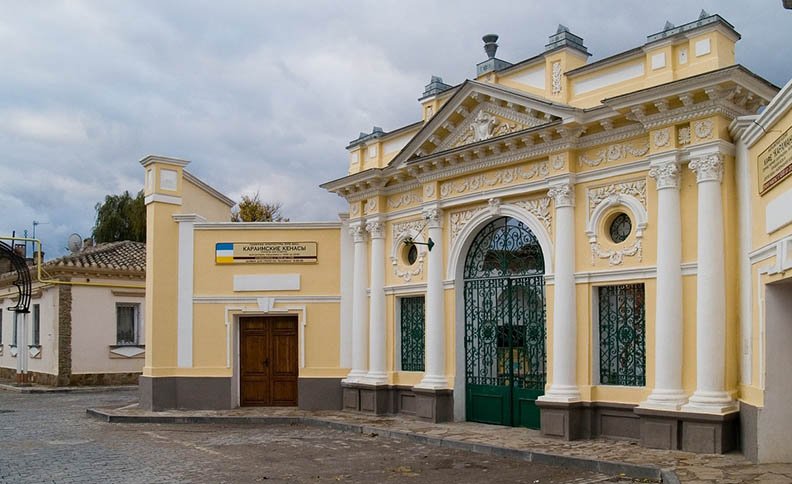
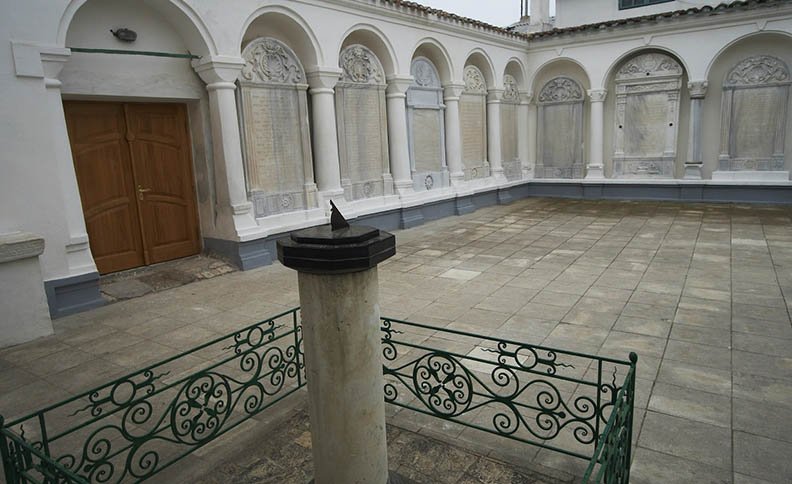
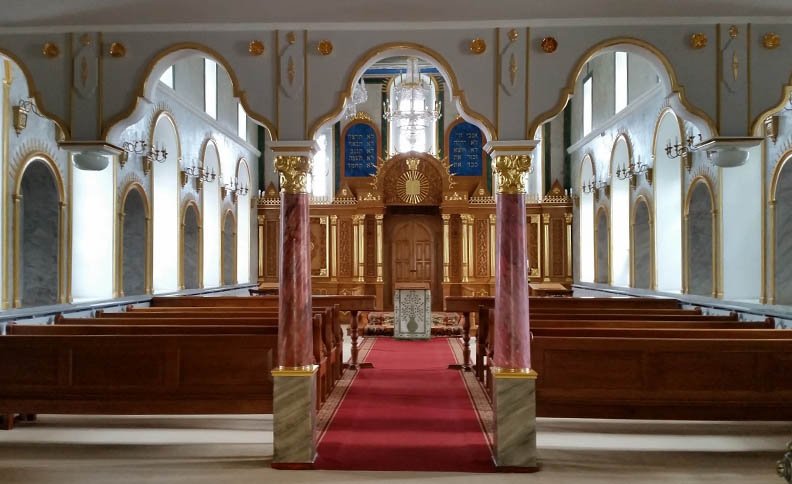
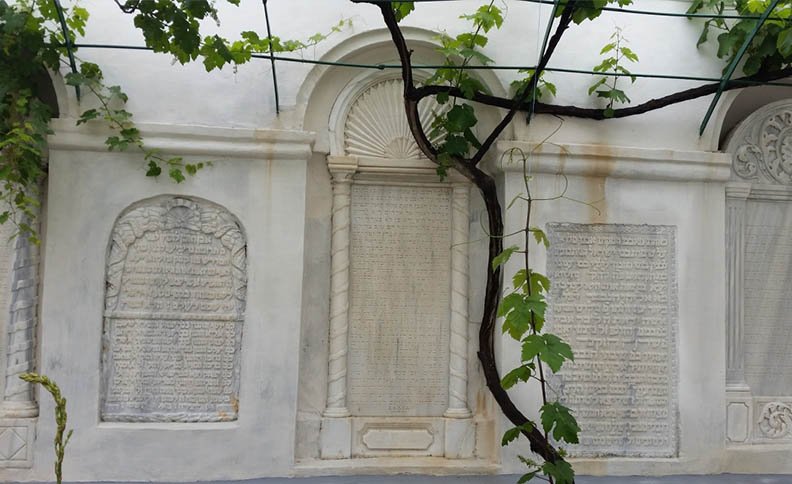
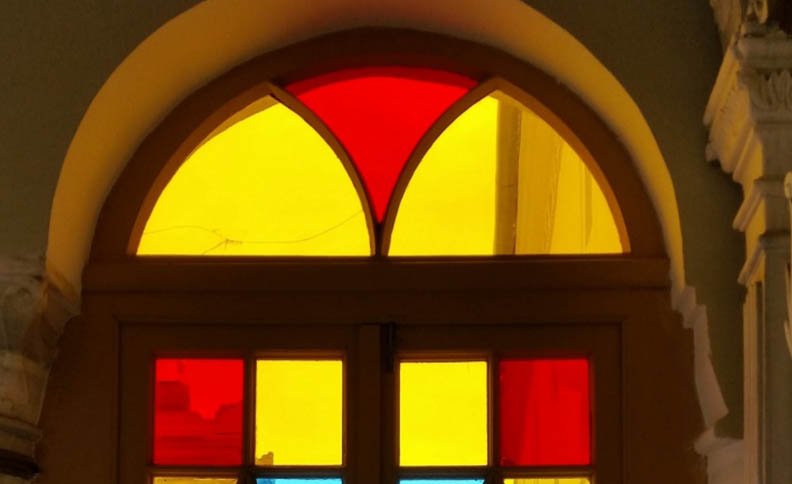
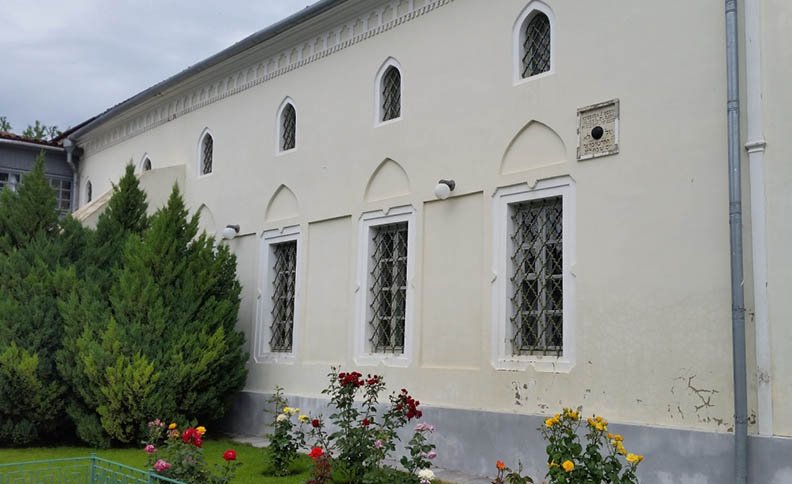
Kenasi is a stronghold of Karaite culture and a very unusual place in the center of the city of Yevpatoria, Crimea. Just now you were standing on an old street, with courtyards, dilapidated houses — and behind the gates of kenas, it seems that another state begins, the territory of a different culture and faith.
The Crimean Karaites are one of the smallest Turkic peoples. Only a few hundred of them live in Crimea. There are about 2000 Crimean Karaites all over the world. The Karaites have a complex history (this applies to their religion, language, and origin), so they are wary of attempts to describe their culture in a popular way. The Karaites are a caring, kind people, and they have always held charity and education in high esteem. The Karaites are also called mysterious people: scientists agree that the Karaites were formed in the Crimea in the 8th – 12th centuries ad.
After the annexation of Crimea to Russia in 1783, the Karaites needed to draw a line between their religion and Orthodox Judaism. The service of the Karaites is conducted in the language of the Bible-Hebrew. Since 1837, the Kenas in Crimea have become the spiritual center of the Karaites of Russia.
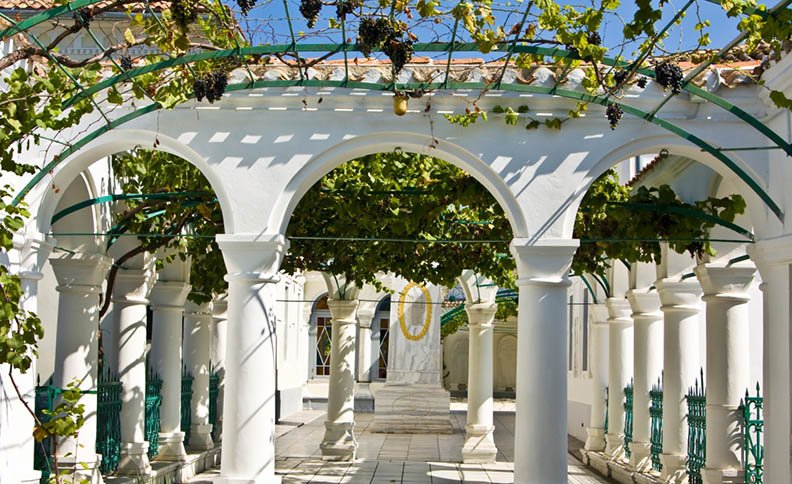
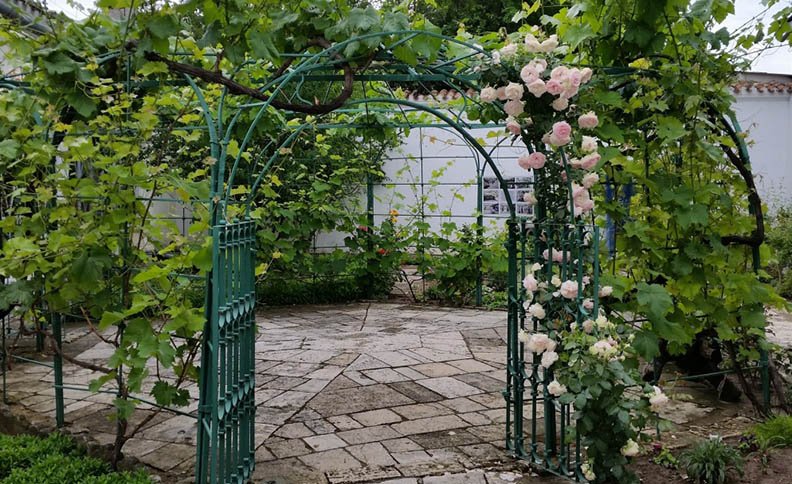
Kenasy in Yevpatoria is a complex that is exactly the size of the courtyard of the tabernacle of the biblical period (60 by 30 m). Visitors are greeted by the portal of the main entrance, the grape and marble courtyards, the courtyard of waiting for prayer, the Great (Cathedral) and Small Kenasi, the monument to Alexander I, who visited kenasi in 1825, the building of a religious school, the ethnographic museum, the library, the club room and, finally, the cafe of national cuisine “Karaman”. Despite the fact that there are so many objects, you can walk through the courtyards of Kenasi in a few minutes: everything is very compact.
The Kenass complex consisting of the Big Kenass and Small kenass was built in the early 19th century by Samuel and Solomon Babovich. In 1805, the construction of the Great Cathedral Kenassa was completed, and in 1815, on the site of the dilapidated Karaite temple of the 16th century, the building of the Small kenassa was built.
Karaism
Karaism as a religious doctrine originated in the eighth century, but its roots go back to the distant past. The Karaites believe in one God and revere the books of the old Testament. The purpose of Karaism is to serve the Lord and love one’s neighbour, to preserve the biblical purity of the Law, so Karaites are often called “guardians of the Covenant”. The Karaites do not consider the Talmud, the New Testament, and the Koran to be sacred books, believing that the old Testament does not need to be supplemented or interpreted. Hence the service, which is conducted in the biblical (Hebrew) language. The Karaites do not trust translations: in order to understand the texts of Scripture correctly, they study Hebrew. Before prayer, you must wash your hands and feet, for which there are fountains in the courtyard of Kenas. Kenasa is entered without shoes. Rooms for men and women are separated, for women there is even a separate entrance to the Kenasa, where a staircase leads to a balcony, covered with a wooden lattice. The service in the Church is Hassan (priest) or kuuchu (a man whom the community has entrusted the conduct of the rite). They read prayers in turn with the parishioners. This obliges parishioners to focus their attention on the service — not to be distracted by extraneous thoughts and constantly remember which prayer is being read.
Location : Crimea
Visit the grand locations like The Karaite Kenasa in Yevpatoria and loads more that Russia has to offer!
Contact us @ Russian Info Center to Book Russia Tour
Choose from flights ex Delhi, Mumbai & Calcutta
Fill the form below and we’ll get back to you right away!